


BTS: The Return (2026)
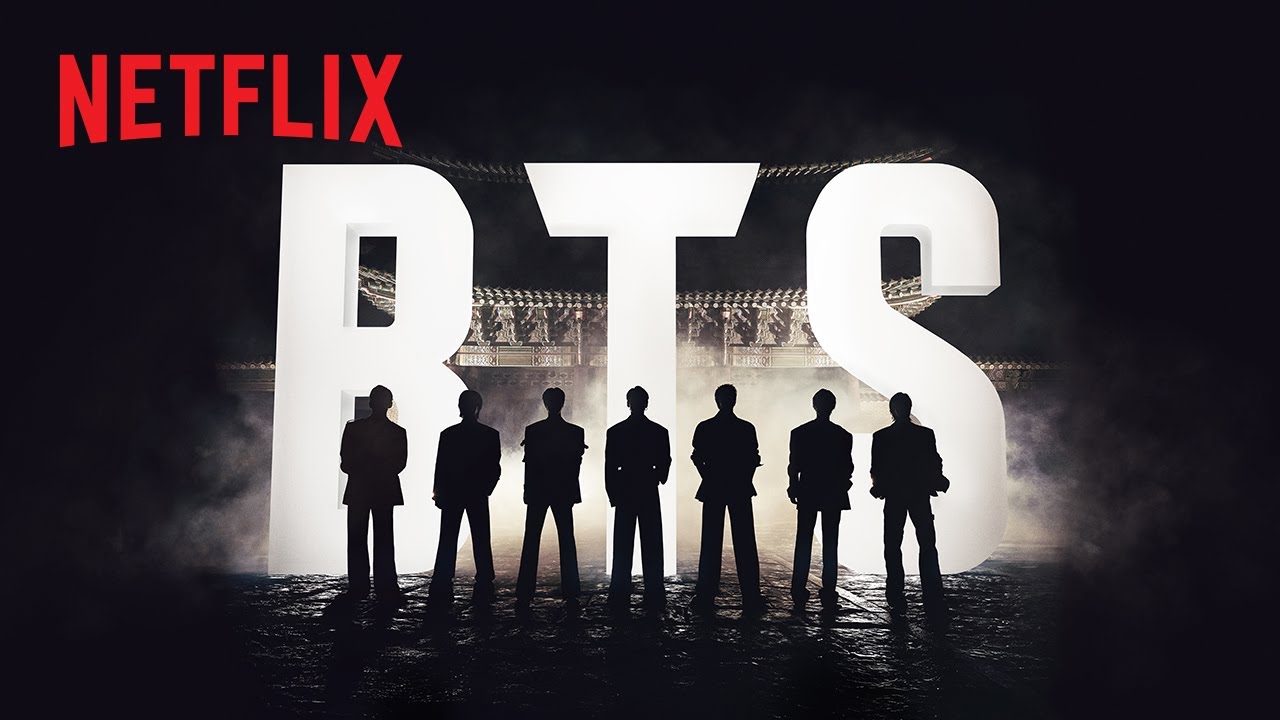
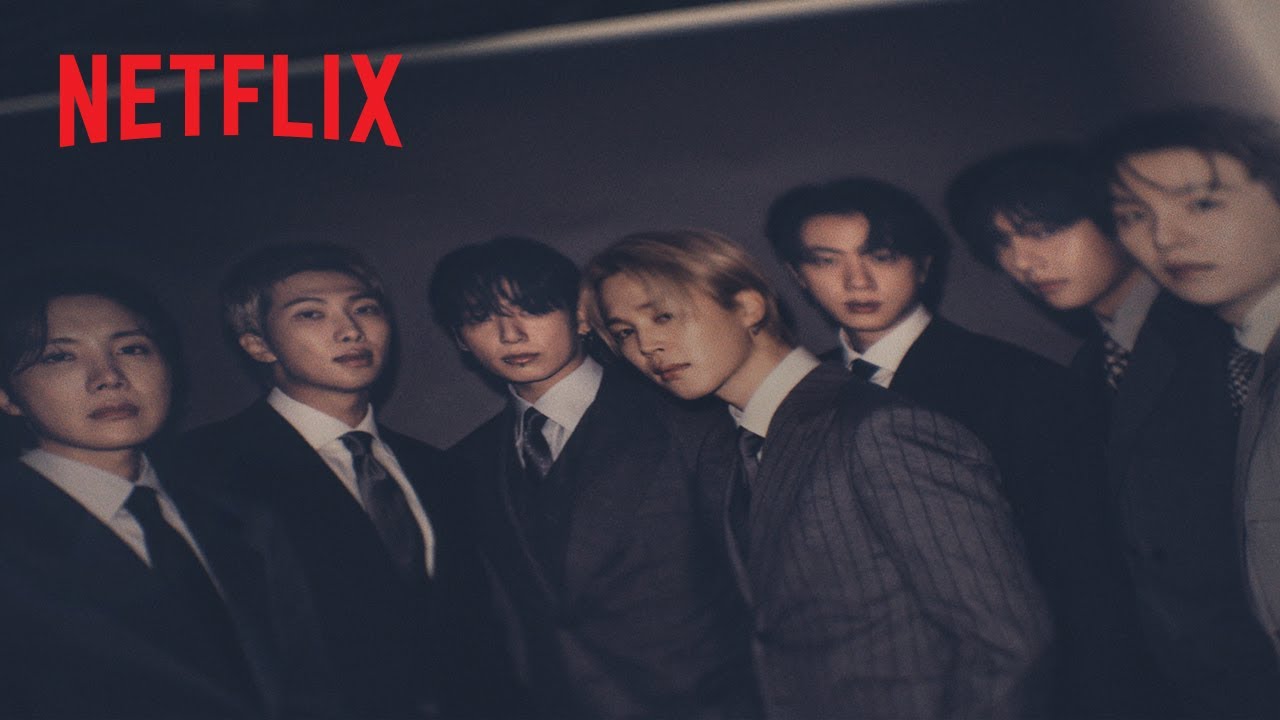
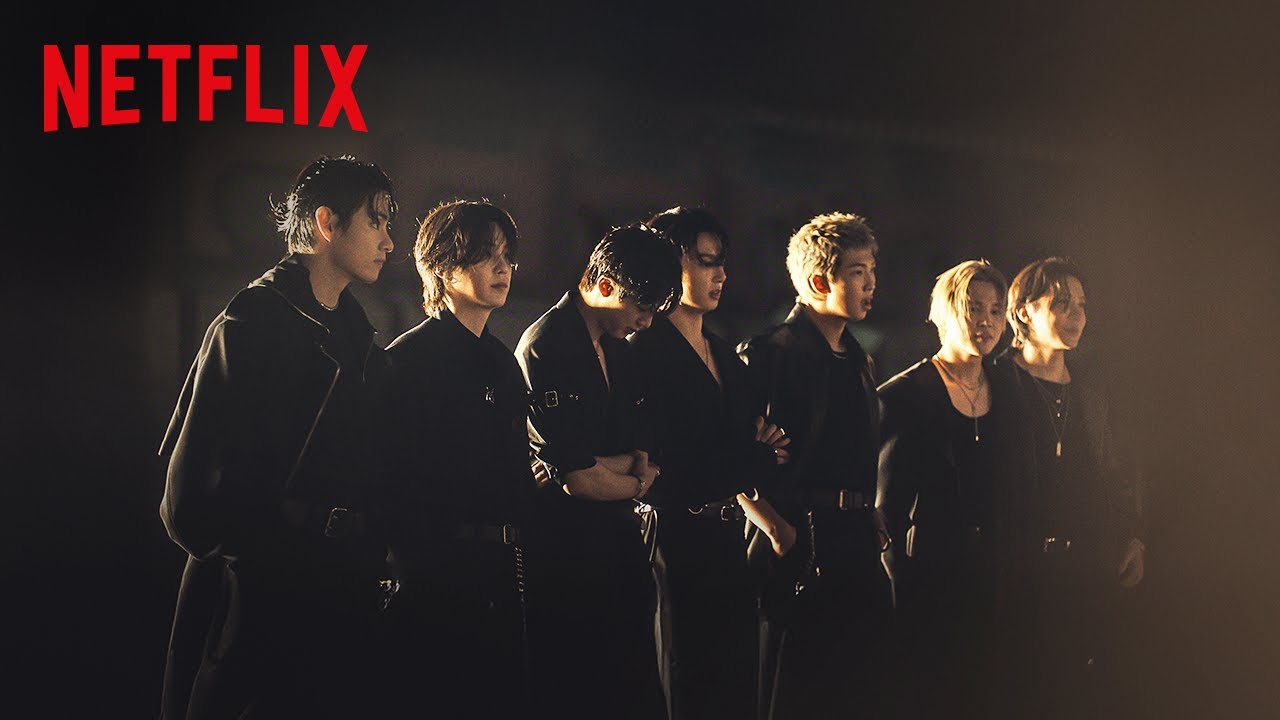
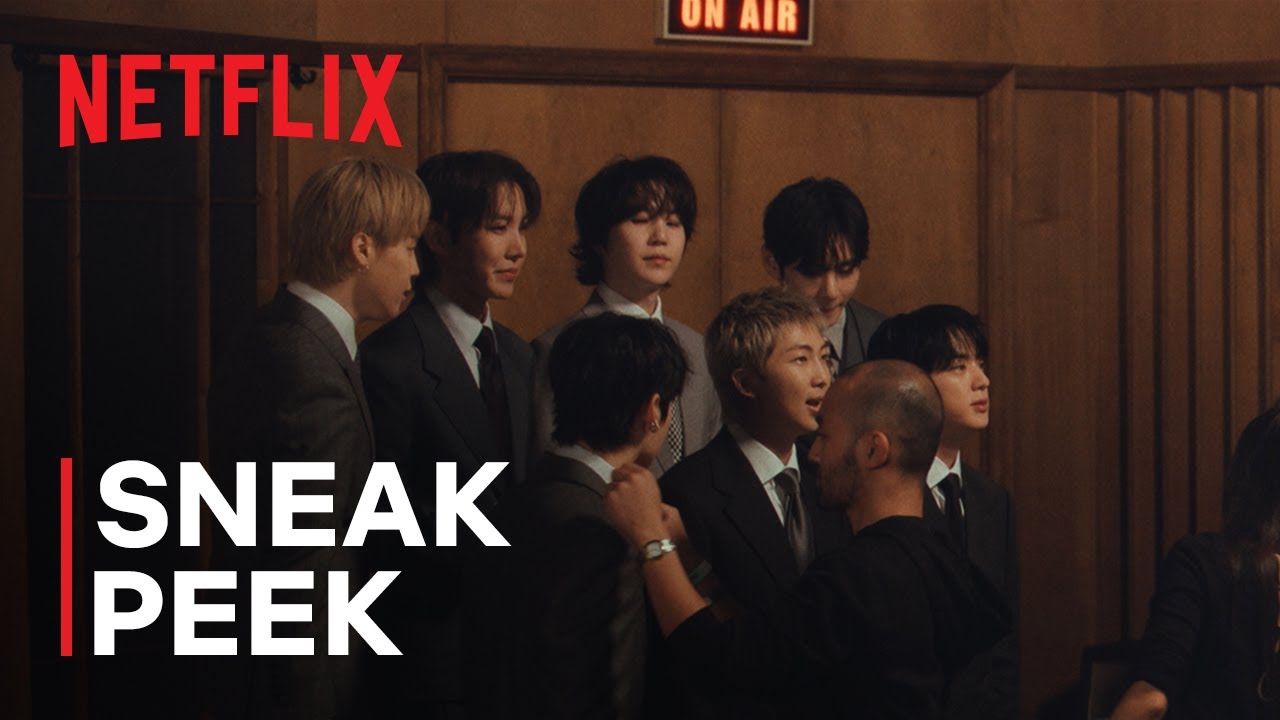
Directed by Bao Nguyen, the documentary follows BTS as they reunite in Los Angeles to make music together, returning to a shared creative space after being shaped by time apart and personal change. The film explores "how to begin again, how to honor the past without being bound by it, and how to move forward together." It promises unprecedented behind-the-scenes access to the creative process, showing moments of doubt, reflection, and rediscovery as the seven members navigate their reunion. (Source: Forbes)
Synopsis
Directed by Bao Nguyen, the documentary follows BTS as they reunite in Los Angeles to make music together, returning to a shared creative space after being shaped by time apart and personal change. The film explores "how to begin again, how to honor the past without being bound by it, and how to move forward together. " It promises unprecedented behind-the-scenes access to the creative process, showing moments of doubt, reflection, and rediscovery as the seven members navigate their reunion.
Reviews
diana의 리뷰
Since their debut, BTS have shown us time and time again that they are here—for themselves, for their country, and most importantly, for their fans, ARMY. After a few years of hiatus, their comeback feels massive, especially with the release of their new album *ARIRANG*.The album draws from the roots of Korean music, inspired by one of the earliest Korean songs ever recorded on American soil, which adds a deep cultural weight to this era. It’s not just music—it’s history, identity, and pride woven together.Watching the documentary made everything even more emotional. We all know that creating an album isn’t easy, but seeing the process firsthand really hit differently. We got to witness the seriousness, the pressure, the pain, and the difficult, sometimes uncertain decisions they had to make. It showed how much communication matters—how they had to constantly check in with each other to ensure no one’s voice was overlooked.There were moments where some members loved an idea while others didn’t, but what stood out most was how they worked through those differences together. That unity, that willingness to listen and grow as a team, was honestly beautiful to watch. And it wasn’t all heavy—there were moments filled with love, laughter, and their playful energy that reminded me why I missed them so much. Seeing them smile and joke around made everything feel warm again.I truly admire their dedication—their hard work, their passion, and their commitment to doing what they love every single day. As a fan, whether we see everything or not, there’s just so much to appreciate about them as artists and as people.However, one thing I didn’t like was how some of their creative decisions seemed to be overlooked by HYBE Corporation. There were moments where the members clearly expressed a preference, yet it felt like those opinions were brushed aside or softened with corporate language. I understand that culture and hierarchy play a role, but at the end of the day, they are the ones performing the songs. They know what feels right and what truly represents them.From my perspective, it came across as a form of subtle pressure or influence, especially when all seven members leaned toward a different version of a song. That was disappointing to see. I believe their voices should be valued more in those decisions, because their authenticity is what makes BTS so powerful in the first place.Overall, this comeback isn’t just about music—it’s about growth, emotion, and staying true to who they are, even through challenges. And that’s why I will always support them
What were they really trying to do with *Arirang*?I’ve been an ARMY for seven years. I love BTS, and I was extremely excited for their new album and documentary—unfortunately, I didn’t enjoy either.*Arirang* felt very different from what I’m used to. I understand they were aiming for a more mature sound, but it ended up feeling more like a product than BTS. They’ve done mellow songs before—“House of Cards,” “Black Swan,” and “Life Goes On”—but “Swim,” the lead single, felt like the wrong choice. It was too low-energy and lacked impact.Since the album is called *Arirang*, I expected more Korean-inspired sounds. Instead, it felt geared toward a global—especially Western—audience. Even in the documentary, BTS seemed to want to focus on Korea, while HYBE pushed for a more global direction. As a non-Korean fan, I was drawn to BTS because of their Korean music. I didn’t know their names or personalities at first—I just loved songs like “Boyz with Fun” and “Attack on Bangtan.” The “K” in K-pop matters, and it feels like companies are starting to forget that.The documentary constantly emphasized “going global,” but at what cost? Why frame something like “Arirang” for Western validation when it’s a deeply Korean cultural piece? It made me question what the project was really about. Some people may call me a hater or a fake fan, but I believe criticism is part of being a real fan. Chart numbers and views don’t necessarily reflect genuine appreciation—BTS are musicians, and their music should come first.It also felt like the documentary tried to make *Arirang* appeal to everyone except Koreans themselves, which came across as distasteful. For example, when they mentioned the story of seven Korean boys who went to Washington, D.C. in the 1800s, they left out the fact that most institutions rejected them—except Howard University. That context matters. The lack of acknowledgment felt disappointing, especially given the historical significance.Even visually, there seems to be a pattern of appealing more to Western audiences. For an album like *Arirang*, I expected stronger Korean representation, but that wasn’t always the case. It raises the question: were they celebrating their culture, or trying to reshape it for Western approval?I’m still a fan, and I’ll always support BTS, but these are important conversations to have. *Arirang* isn’t a bad album—it’s just not their best. You can disagree, because music is subjective, but we shouldn’t place artists above criticism. Critiquing them is part of appreciating them—it shows we understand the difference between loving BTS and loving their music.
Videos: Trailer & Teasers
Cast
No cast information available
Related News
Chae Won Bin Shares Insights About Her “Sold Out On You” Character
Chae Won Bin has shared her thoughts on her upcoming drama “Sold Out on You”! “Sold Out on You” is a romantic comedy about the unexpected love story b
Ha Ji Won And Nana’s Past Resurfaces As They Reunite On Film Set In “Climax”
“Climax” has teased an even more intense showdown. “Climax” follows the gripping survival story of prosecutor Bang Tae Seop (Ju Ji Hoon), who plunges
5 K-Dramas That Prove Morally Gray Leads Make The Most Interesting Stories
Sure, the straightforward good guys have their time and place, but some of the most intriguing characters are the ones who color outside the lines. Th
Park Ji Hoon's New Drama "The Legend Of Kitchen Soldier" Confirms Premiere Date
“The Legend of Kitchen Soldier” will be premiering next month! On April 7, iZE reported that “The Legend of Kitchen Soldier” will premiere simultaneou
Go Youn Jung Sees Koo Kyo Hwan As Her Refuge In New Poster For “We Are All Trying Here”
“We Are All Trying Here” has unveiled a new poster! “We Are All Trying Here” tells the story of Hwang Dong Man (Koo Kyo Hwan), who, surrounded by succ
Watch: Kim Go Eun Begins To Feel Her Cells Reawaken After Seeing Kim Jae Won Smile In "Yumi's Cells 3"
“Yumi’s Cells 3” has shared a more in-depth preview of the upcoming drama! “Yumi’s Cells” tells the story of an ordinary office worker named Yumi (Kim
More Drama News
🔥not BTS dominating 6 billboard charts simultaneously like it's nothing!! the impact!
39mTrending NOW
Park Bo Gum's Variety Show "The Village Barber" To Return With Season 2
Watch: Kim Go Eun And Kim Jae Won Showcase Adorable Chemistry During Poster Shoot For "Yumi's Cells 3"
"Perfect Crown" And "Climax" Dominate Most Buzzworthy Drama And Actor Rankings
Watch: NEXZ Reveals Comeback Date With "Mmchk" Trailer
Park Min Young And Wi Ha Joon Are Determined To Expose Kim Geum Soon’s Crimes In “Siren’s Kiss”
Editor's PICK
Super Junior's Eunhyuk Makes Meaningful Donation On His Birthday
Park Ji Hoon And Choi Hyun Wook Thrill Fans By Showing Off Their Friendship

6 Reasons To Watch Second-Chance Age Gap Romance C-Drama “Sniper Butterfly”
Cha Hak Yeon Is A Math Teacher Swept Up In Kim Hyang Gi's BL Novel In Upcoming Drama
Park Jinyoung And Kim Min Ju Move In Together After Reuniting On "Still Shining"
IU And Byeon Woo Seok Highlight Their Strong Chemistry And Characters’ Bond In “Perfect Crown”
BTS: The Return (2026)
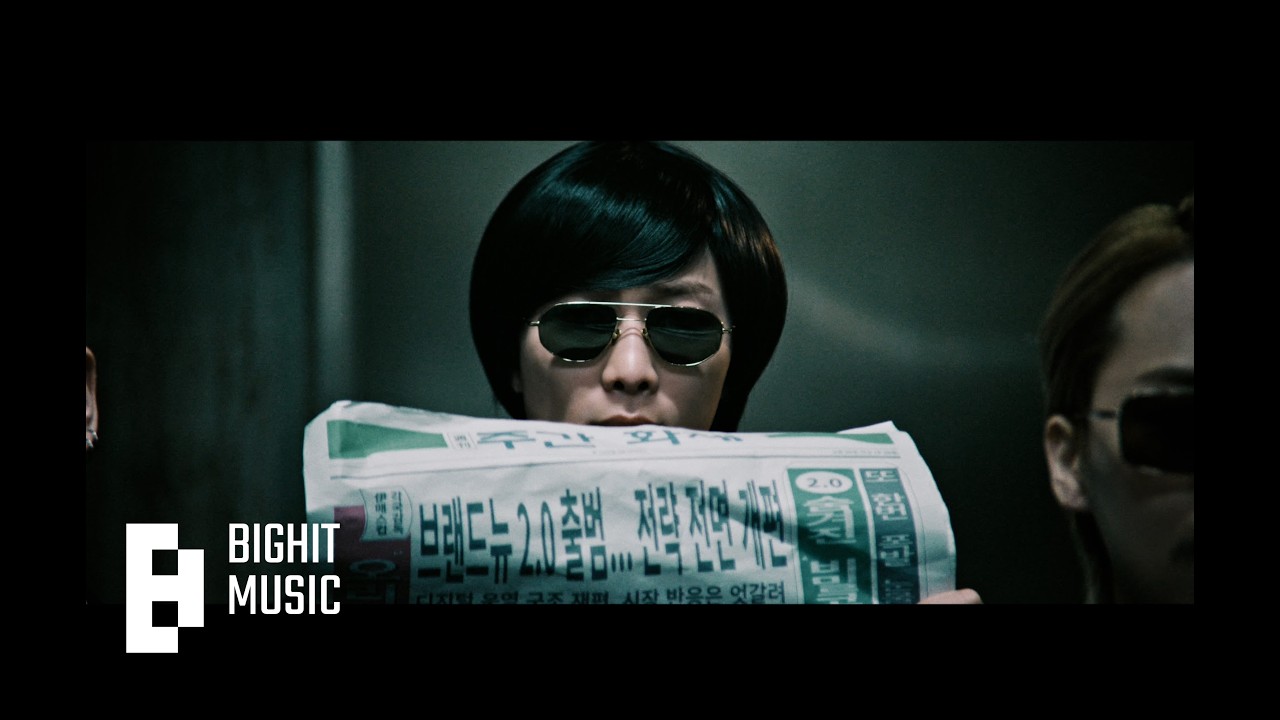
Directed by Bao Nguyen, the documentary follows BTS as they reunite in Los Angeles to make music together, returning to a shared creative space after being shaped by time apart and personal change. The film explores "how to begin again, how to honor the past without being bound by it, and how to move forward together." It promises unprecedented behind-the-scenes access to the creative process, showing moments of doubt, reflection, and rediscovery as the seven members navigate their reunion. (Source: Forbes)
Synopsis
diana의 리뷰
Since their debut, BTS have shown us time and time again that they are here—for themselves, for their country, and most importantly, for their fans, ARMY. After a few years of hiatus, their comeback feels massive, especially with the release of their new album *ARIRANG*.The album draws from the roots of Korean music, inspired by one of the earliest Korean songs ever recorded on American soil, which adds a deep cultural weight to this era. It’s not just music—it’s history, identity, and pride woven together.Watching the documentary made everything even more emotional. We all know that creating an album isn’t easy, but seeing the process firsthand really hit differently. We got to witness the seriousness, the pressure, the pain, and the difficult, sometimes uncertain decisions they had to make. It showed how much communication matters—how they had to constantly check in with each other to ensure no one’s voice was overlooked.There were moments where some members loved an idea while others didn’t, but what stood out most was how they worked through those differences together. That unity, that willingness to listen and grow as a team, was honestly beautiful to watch. And it wasn’t all heavy—there were moments filled with love, laughter, and their playful energy that reminded me why I missed them so much. Seeing them smile and joke around made everything feel warm again.I truly admire their dedication—their hard work, their passion, and their commitment to doing what they love every single day. As a fan, whether we see everything or not, there’s just so much to appreciate about them as artists and as people.However, one thing I didn’t like was how some of their creative decisions seemed to be overlooked by HYBE Corporation. There were moments where the members clearly expressed a preference, yet it felt like those opinions were brushed aside or softened with corporate language. I understand that culture and hierarchy play a role, but at the end of the day, they are the ones performing the songs. They know what feels right and what truly represents them.From my perspective, it came across as a form of subtle pressure or influence, especially when all seven members leaned toward a different version of a song. That was disappointing to see. I believe their voices should be valued more in those decisions, because their authenticity is what makes BTS so powerful in the first place.Overall, this comeback isn’t just about music—it’s about growth, emotion, and staying true to who they are, even through challenges. And that’s why I will always support them
What were they really trying to do with *Arirang*?I’ve been an ARMY for seven years. I love BTS, and I was extremely excited for their new album and documentary—unfortunately, I didn’t enjoy either.*Arirang* felt very different from what I’m used to. I understand they were aiming for a more mature sound, but it ended up feeling more like a product than BTS. They’ve done mellow songs before—“House of Cards,” “Black Swan,” and “Life Goes On”—but “Swim,” the lead single, felt like the wrong choice. It was too low-energy and lacked impact.Since the album is called *Arirang*, I expected more Korean-inspired sounds. Instead, it felt geared toward a global—especially Western—audience. Even in the documentary, BTS seemed to want to focus on Korea, while HYBE pushed for a more global direction. As a non-Korean fan, I was drawn to BTS because of their Korean music. I didn’t know their names or personalities at first—I just loved songs like “Boyz with Fun” and “Attack on Bangtan.” The “K” in K-pop matters, and it feels like companies are starting to forget that.The documentary constantly emphasized “going global,” but at what cost? Why frame something like “Arirang” for Western validation when it’s a deeply Korean cultural piece? It made me question what the project was really about. Some people may call me a hater or a fake fan, but I believe criticism is part of being a real fan. Chart numbers and views don’t necessarily reflect genuine appreciation—BTS are musicians, and their music should come first.It also felt like the documentary tried to make *Arirang* appeal to everyone except Koreans themselves, which came across as distasteful. For example, when they mentioned the story of seven Korean boys who went to Washington, D.C. in the 1800s, they left out the fact that most institutions rejected them—except Howard University. That context matters. The lack of acknowledgment felt disappointing, especially given the historical significance.Even visually, there seems to be a pattern of appealing more to Western audiences. For an album like *Arirang*, I expected stronger Korean representation, but that wasn’t always the case. It raises the question: were they celebrating their culture, or trying to reshape it for Western approval?I’m still a fan, and I’ll always support BTS, but these are important conversations to have. *Arirang* isn’t a bad album—it’s just not their best. You can disagree, because music is subjective, but we shouldn’t place artists above criticism. Critiquing them is part of appreciating them—it shows we understand the difference between loving BTS and loving their music.



not BTS dominating 6 billboard charts simultaneously like it's nothing!! the impact!
39mMore Drama News
🔥Where to Watch
No Providers Found
No watch providers available for this content.
Synopsis
Directed by Bao Nguyen, the documentary follows BTS as they reunite in Los Angeles to make music together, returning to a shared creative space after being shaped by time apart and personal change. The film explores "how to begin again, how to honor the past without being bound by it, and how to move forward together." It promises unprecedented behind-the-scenes access to the creative process, showing moments of doubt, reflection, and rediscovery as the seven members navigate their reunion. (Source: Forbes)
Reviews0
Overall Rating
Rating Distribution
Featured Reviews
Videos: Trailers & Teasers
Cast
No cast information available
Cast details coming soon

 Viewer Ratings
Related News
Chae Won Bin Shares Insights About Her “Sold Out On You” Character
Chae Won Bin has shared her thoughts on her upcoming drama “Sold Out on You”! “Sold Out on You” is a romantic comedy abo...
Ha Ji Won And Nana’s Past Resurfaces As They Reunite On Film Set In “Climax”
“Climax” has teased an even more intense showdown. “Climax” follows the gripping survival story of prosecutor Bang Tae S...
5 K-Dramas That Prove Morally Gray Leads Make The Most Interesting Stories
Sure, the straightforward good guys have their time and place, but some of the most intriguing characters are the ones w...
Park Ji Hoon's New Drama "The Legend Of Kitchen Soldier" Confirms Premiere Date
“The Legend of Kitchen Soldier” will be premiering next month! On April 7, iZE reported that “The Legend of Kitchen Sold...
Go Youn Jung Sees Koo Kyo Hwan As Her Refuge In New Poster For “We Are All Trying Here”
“We Are All Trying Here” has unveiled a new poster! “We Are All Trying Here” tells the story of Hwang Dong Man (Koo Kyo ...
Watch: Kim Go Eun Begins To Feel Her Cells Reawaken After Seeing Kim Jae Won Smile In "Yumi's Cells 3"
“Yumi’s Cells 3” has shared a more in-depth preview of the upcoming drama! “Yumi’s Cells” tells the story of an ordinary...